Root canal treatments, dental treatments and fillings in Vienna
- Minimally invasive treatment methods protect healthy tooth structure and reduce stress during therapy.
- Digital diagnostics enable precise planning and clear explanations of findings.
- High-quality composite materials ensure stable and aesthetically natural results.
- Individual risk analyses support long-term tooth preservation instead of premature tooth replacement solutions.
When a tooth is damaged, preserving the natural tooth structure is paramount. At our practice in Vienna, our specialists in tooth preservation treat caries, inflammation within the tooth, and minor dental defects using gentle methods. Modern diagnostics, precise instruments, and high-quality materials enable treatments that ensure long-term function and aesthetics.
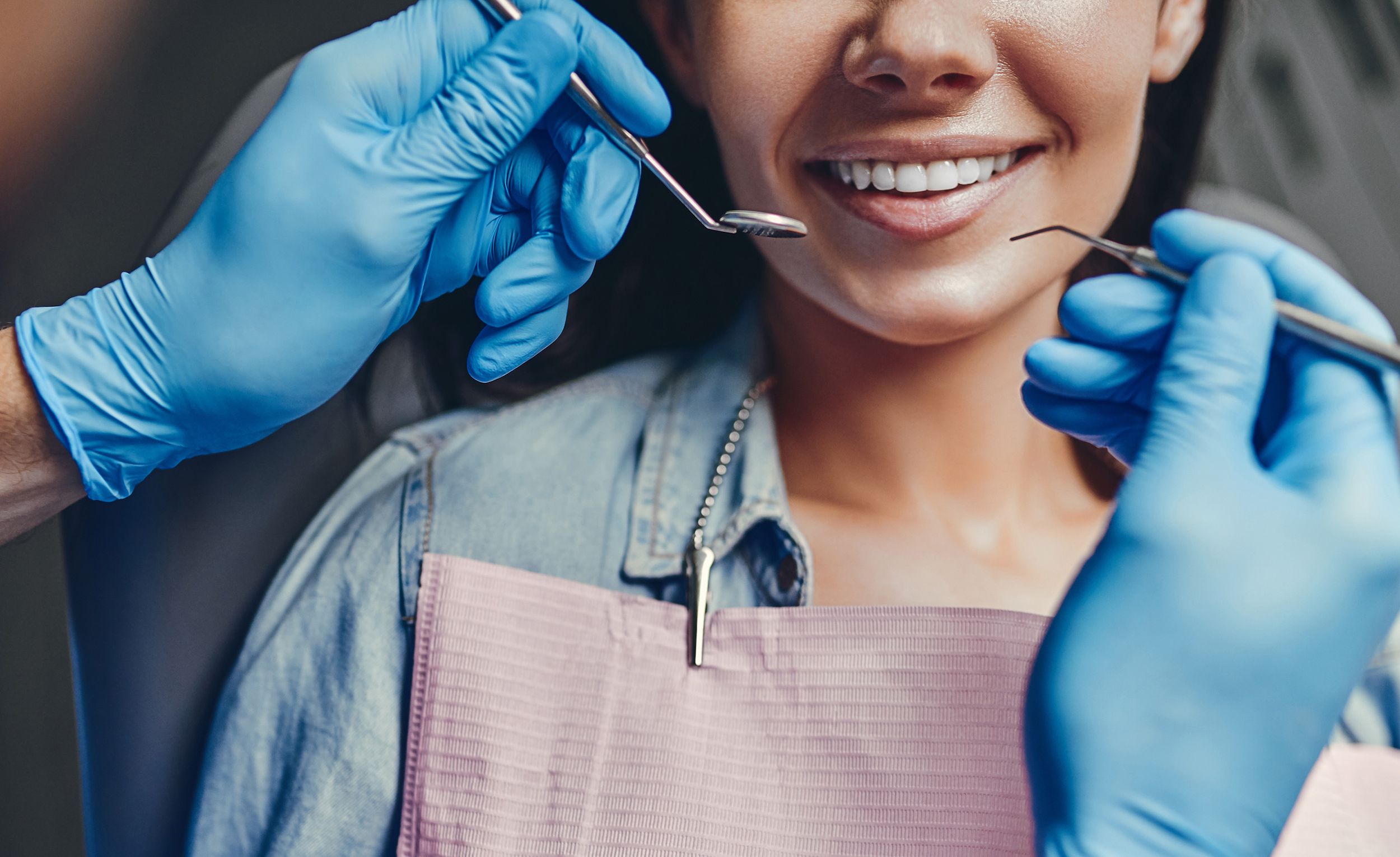


How to preserve natural teeth for as long as possible
The most important approach is early treatment. If caries is detected in time, damaged tooth structure can usually be stabilized with a filling. Inflammation inside the tooth can often be treated by precisely preparing the root canals.
This treatment is particularly suitable for patients who place great value on preserving their natural teeth. Digital X-rays allow for a precise analysis of the situation and support clear explanations of possible treatment options.
A key component of the treatment is the individual risk analysis. Our practice team assesses caries and periodontal risks and develops tailored preventive care and check-up intervals.
What does conservative dentistry mean?
Conservative dentistry encompasses all measures for preserving natural teeth. These include, among others, fillings, treatments of the dental pulp, and procedures for stabilizing damaged tooth structure. The goal is to repair damaged structures and prevent the progression of diseases.

Factors for stable and sustainable treatment
The quality of treatment is achieved through several components:
- modern composite materials in natural tooth color
- adhesive techniques for minimally invasive fillings
- digital diagnostics with reduced radiation exposure
- precise instruments for treatments inside the tooth
This combination enables therapies that remain functionally and aesthetically stable in the long term.
Schedule an appointment for a personal examination.
Treatment process
Diagnostics
Teeth, gums, and any existing problems are thoroughly examined. Digital X-rays help to precisely identify any damage.
Discussion of findings
The findings will be explained clearly. Treatment options and possible alternatives will be discussed together.
Implementation
The treatment is performed using minimally invasive techniques and modern instruments to preserve as much healthy tooth structure as possible.
Follow-up care and monitoring
Individual recommendations and regular check-up appointments support long-term treatment success.
When is treatment advisable – and when is it not?
The decision always depends on the condition of the tooth and the specific diagnosis. The primary goal is to preserve the natural tooth structure.
Treatment is advisable if:
- Tooth decay or minor tooth defects are detected
- Inflammation occurs inside the tooth
- Existing fillings need to be replaced
- Pain or sensitivity occurs
Treatment is not advisable if:
- the tooth is severely damaged and cannot be stabilized
- alternative treatment options are medically more appropriate
Tooth preservation
through modern treatment methods
Tooth preservation measures aim to stabilize damaged teeth and ensure their long-term function. Precise diagnostics, minimally invasive techniques, and high-quality materials are crucial factors for successful treatment.
Schedule an appointment now for a professional dental check-up.
Frequently asked questions about the treatment of damaged teeth
When is treatment inside the tooth necessary?
Treatment is necessary if the inside of the tooth is inflamed or bacteria have penetrated it. The goal is to save the tooth and eliminate pain.
Are dental fillings visible?
Modern composite materials are tooth-colored and visually match the natural tooth structure.
How long does a treatment last?
Durability depends on the condition of the tooth, oral hygiene, and regular check-ups.
Can early treatment prevent more extensive procedures?
Yes. If damage is detected early, teeth can often be stabilized before more extensive measures become necessary.
