Oral and Maxillofacial Surgery in Vienna
Precise procedures in the mouth and jaw area
- Surgical procedures are precisely planned to ensure the function and stability of your teeth.
- Digital diagnostics allow for an accurate assessment of bone structure and tooth position.
- Gentle surgical methods reduce stress and promote rapid healing.
- Treatment, implantology, and aftercare are all provided under one roof at our practice.
Surgical procedures in the oral and maxillofacial region may be necessary when teeth need to be extracted, bone grafted, or implants placed. At our dental practice in Vienna, we plan such procedures meticulously and perform them using state-of-the-art techniques. Our goal is to preserve function, stability, and long-term dental health.



When surgical procedures in the oral cavity become necessary
Surgical procedures are used when conservative treatments are insufficient or structural changes are present in the jaw. This may be necessary, for example, in cases of severely damaged teeth, insufficient bone volume, or to prepare for implant placement.
Planning is based on modern diagnostics. Digital X-rays show the position of teeth, nerves, and bone structures. This allows for precise preparation of procedures and a better assessment of potential risks.
Individual consultation is an important part of our treatment. Before every procedure, we explain the process, possible alternatives, and the expected healing phase. This way, you can understand why a procedure is necessary and what the next steps will be.
The definition of oral and maxillofacial surgery
Oral and maxillofacial surgery encompasses surgical procedures involving the teeth, jawbone, and surrounding tissues. These include tooth extractions, surgical preparation for implants, and procedures to stabilize the jawbone. The goal is to restore or maintain the function of the teeth.
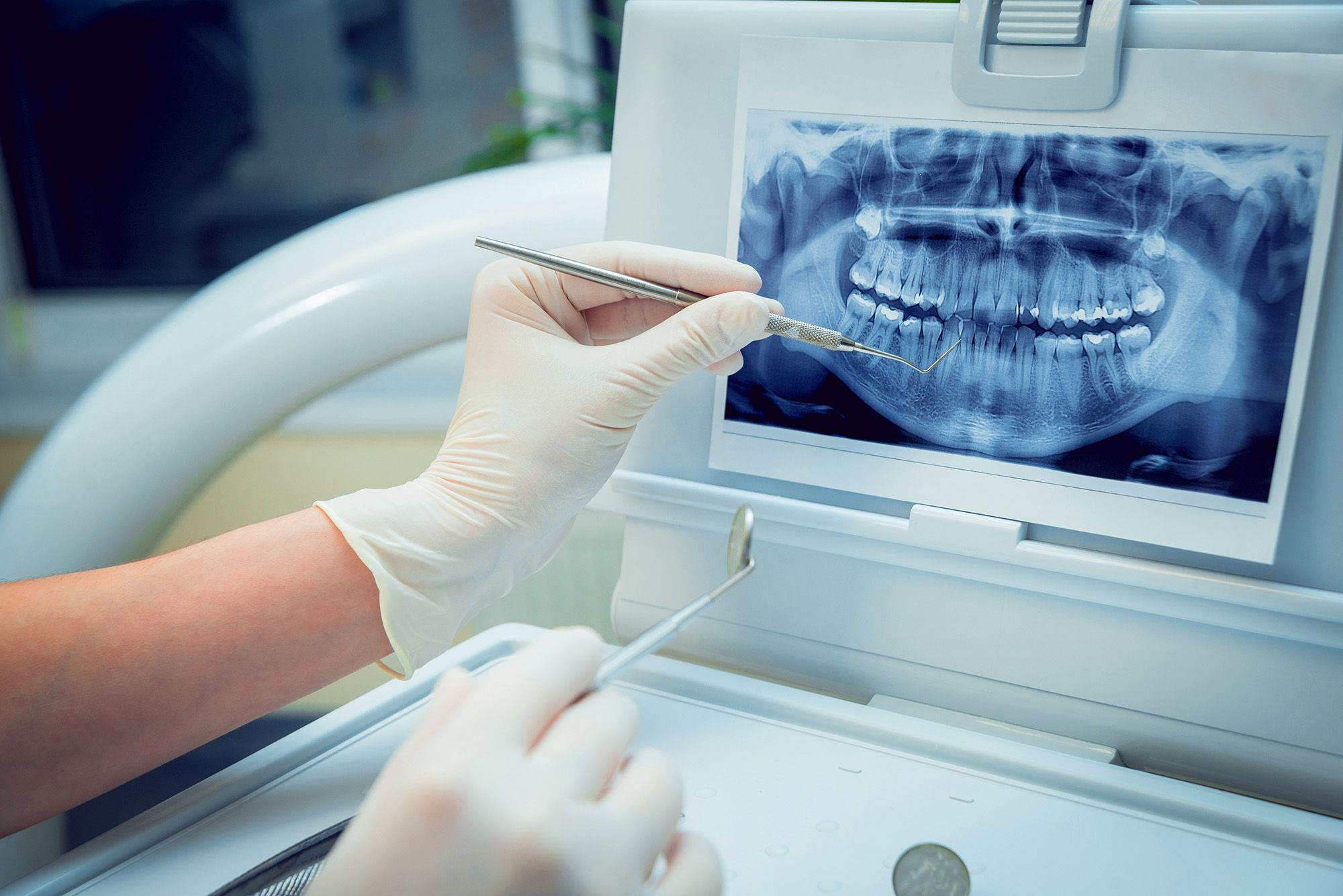
Technical and medical factors for precise interventions
- Digital diagnostics for surgical planning
- Navigated implant planning for precise positioning
- Modern surgical techniques to protect tissue
- Structured follow-up appointments to monitor healing
Schedule an appointment for an examination and personal consultation.
How a surgical procedure is planned and performed
Diagnostics and examination
The dental situation and jaw are thoroughly examined. Imaging techniques support precise planning.
Treatment planning
The planned procedure will be explained step by step. Alternatives and possible recovery times will be discussed together.
Performing the procedure
The procedure is performed under local anesthesia and using the gentlest possible methods.
Follow-up and care
The healing process and the stability of the treatment are regularly monitored.
When is surgical intervention advisable – and when is it not?
Surgical procedures are only performed if they are medically necessary.
A procedure is advisable if:
- a tooth is severely damaged and needs to be removed
- implants are to be placed
- the jawbone needs to be prepared for dental prosthetics
- structural changes are present in the jaw
Intervention is not advisable if:
- the tooth can be stabilized through tooth-preserving measures
conservative treatment is sufficient
Schedule an appointment now for a personal consultation.
Oral surgery in Vienna for stable tooth and jaw function
Oral and maxillofacial surgery is used to treat structural problems in the mouth and jaw area and to create the foundation for further dental treatments. Precise diagnostics, careful planning, and structured follow-up appointments are crucial for long-term treatment success.
If you would like to schedule a personal appointment, please do not hesitate to contact us.
Frequently asked questions about surgical procedures in the oral cavity
Are procedures in the mouth and jaw area painful?
The procedure is performed under local anesthesia. This usually significantly reduces pain during the operation.
How long does the healing process take after a procedure?
The healing time depends on the type and extent of the procedure. Regular check-ups help to monitor the healing process.
When is bone grafting necessary?
Bone grafting may be necessary if there is insufficient stable bone substance available for implants.
What role does aftercare play?
Regular check-ups support the healing process and help to identify potential complications early.
